Company History

Evolution of mission and engineering discipline

These milestones trace a deliberate progression from founding purpose to full-spectrum aerospace delivery. Each stage reflects how governance, engineering depth, and manufacturing controls were expanded to meet stricter mission requirements while preserving accountability for long-cycle defense programs.

2008

Mission-led foundation

The company was established around a narrow mandate: deliver military aviation capability with disciplined technical oversight and program continuity. Early leadership prioritized certification pathways, secure supply relationships, and documentation standards so future platform work could scale within defense procurement expectations.
2013

Engineering expansion

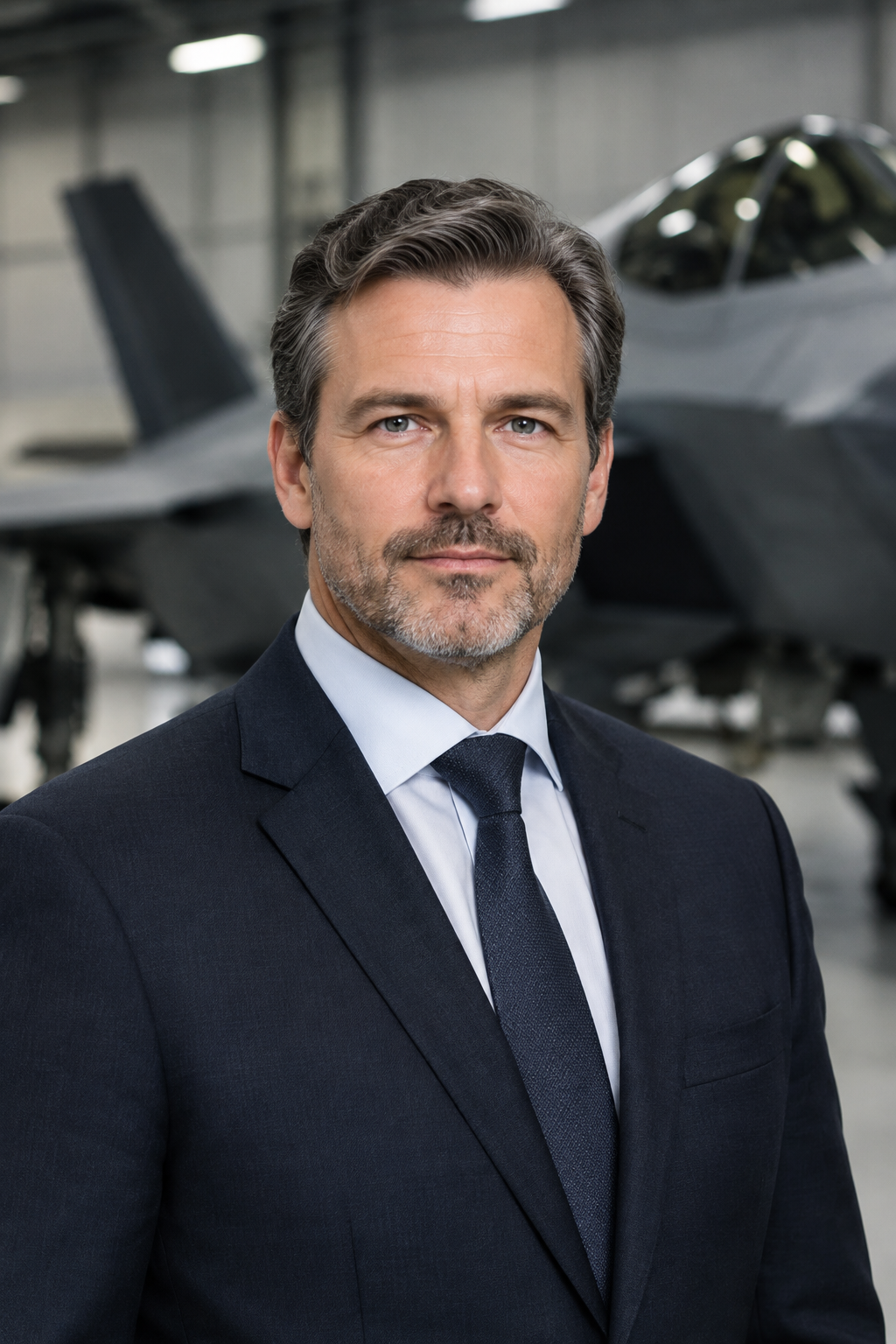
Integrated engineering teams were expanded to connect airframe, avionics, and mission-systems disciplines under unified review cycles. This period introduced tighter systems-integration methods and verification checkpoints, enabling the organization to support more complex tactical and surveillance-oriented program requirements.

2019

Manufacturing maturity

Program-oriented manufacturing controls were formalized across production planning, quality assurance, and supplier traceability. With clearer readiness gates and repeatable process governance, delivery confidence improved for institutions requiring predictable timelines and documented compliance integrity.

2026

Strategic defense positioning

Today the organization operates with a consultation-led engagement model for defense agencies and aerospace partners assessing aircraft and mission-system pathways. Cross-functional teams align technical scope, risk framing, and delivery planning early, supporting informed procurement and partnership decisions.

About · FAQ

Frequently asked questions about our company and engagement model

Practical answers for procurement teams and program partners reviewing fit before initiating consultation.

What is the company’s primary operational focus?
We focus on military aircraft platform development, mission systems integration, and production-readiness support for defense aviation programs with defined operational requirements.
How does the consultation process typically begin?
Engagement starts with a scoped consultation call, followed by requirements clarification, capability alignment, and an agreed pathway for technical review or program-level discussion.
What collaboration scope can partners expect?
Collaboration can include platform adaptation, subsystem integration, technical documentation coordination, and joint planning for qualification, sustainment, or modernization tracks.
How is engineering work approached across programs?
Our teams apply requirement-traceable engineering workflows, design assurance checkpoints, and systems-level verification methods to maintain mission suitability and manufacturing discipline.
How adaptable are your platforms to mission-specific requirements?
Programs are structured for configurable mission profiles, with adaptation options across avionics, payload integration, communications, and support architecture based on operational doctrine and compliance boundaries.
Do you support teams through multiple evaluation and decision stages?
Yes. We support early-market assessment, formal technical evaluation, risk and feasibility review, and later-stage planning discussions so stakeholders can maintain continuity from initial inquiry through program definition.
How are initial discussions scoped before deeper technical engagement?
Initial discussions are framed around mission intent, timeline, integration constraints, and decision stakeholders, then converted into a clear consultation scope with agreed deliverables and next-step review points.
How are partner and stakeholder engagements managed?
We use defined points of contact, milestone-based communication, and structured review cadence so procurement, technical, and executive stakeholders remain aligned throughout engagement.

About the company

Mission-focused aviation engineering for defense partners who require technical certainty.

We develop military aircraft systems around mission readiness, not brochure claims. Our teams align platform architecture, mission systems integration, and production planning to operational requirements defined by procurement and program stakeholders.

Engineering decisions follow disciplined gates: requirement validation, subsystem verification, and manufacturing traceability. This structure reduces integration risk and supports dependable transition from concept to fielded capability.

Every engagement is consultation-led. We begin with context, constraints, and mission profile, then shape a practical pathway for platform selection, capability upgrades, or strategic partnership.

Leadership

Leadership team supporting mission-critical aviation programs

Our leadership combines aircraft platform expertise, systems integration discipline, and manufacturing oversight to support procurement-grade program execution.

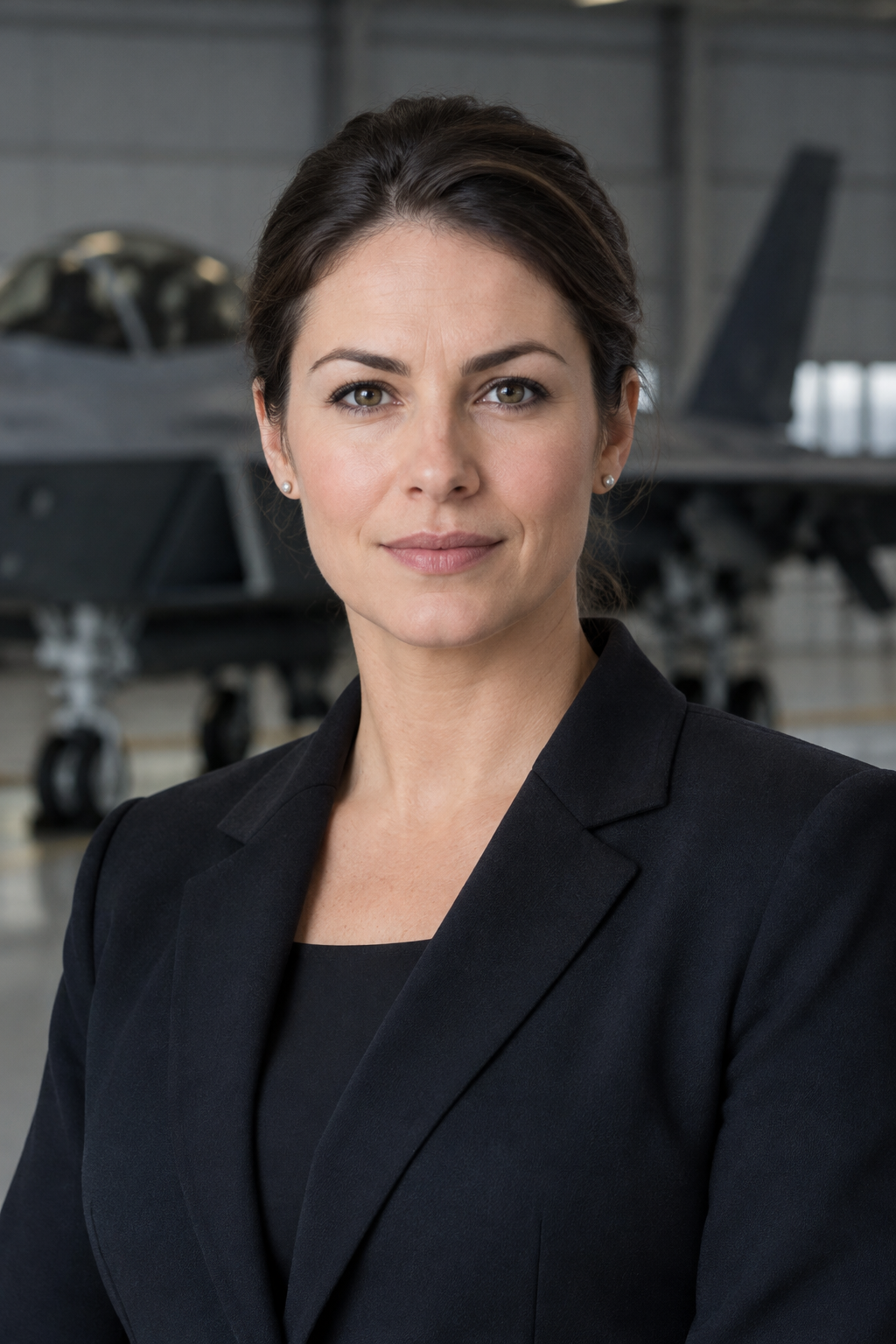
Formal portrait of Elena Markov, Chief Executive Officer

Elena Markov

Chief Executive Officer

Guides long-range aerospace strategy and institutional partnerships with a focus on mission-ready capability development.

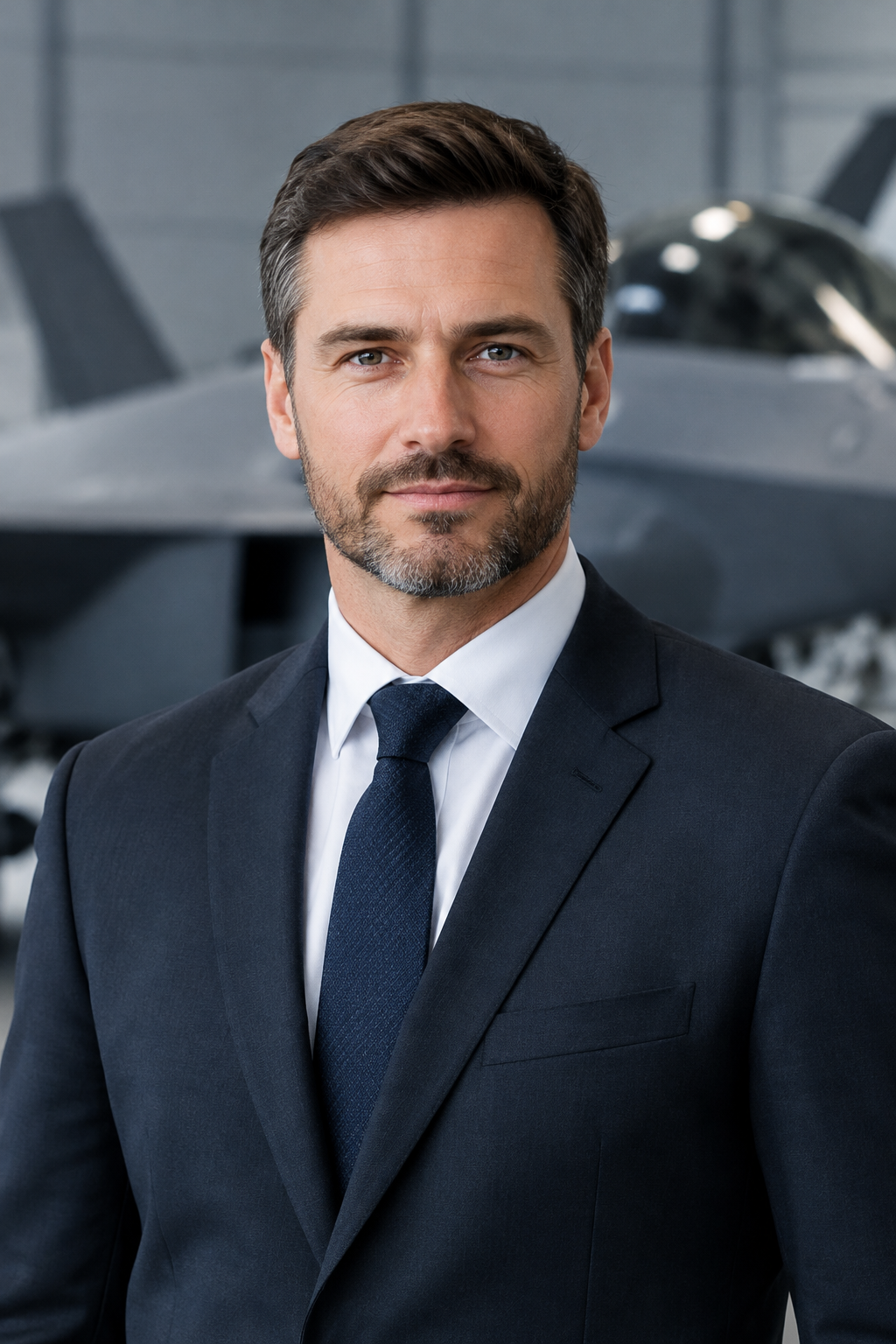
Formal portrait of David Harlan, Chief Engineering Officer

David Harlan

Chief Engineering Officer

Leads aircraft systems engineering, integration discipline, and technical program execution across advanced aviation initiatives.

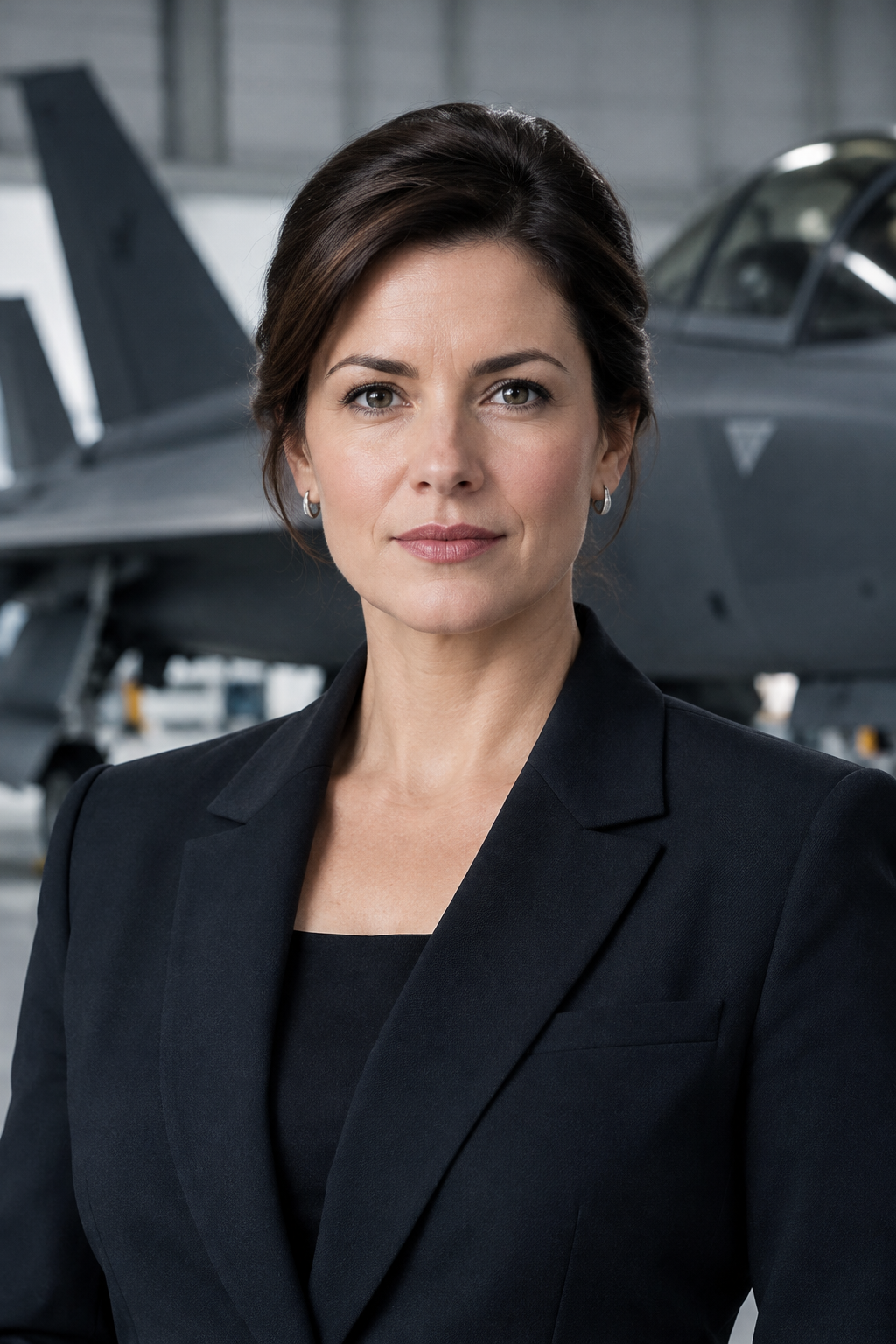
Formal portrait of Nadia Petrov, Director of Manufacturing Programs

Nadia Petrov

Director of Manufacturing Programs

Oversees production-minded planning, quality accountability, and manufacturing coordination for high-stakes aerospace programs.

Formal portrait of Marcus Voss, Strategic Partnerships Lead

Marcus Voss

Strategic Partnerships Lead

Works with procurement stakeholders and industry partners to align consultation conversations with program goals and operational needs.